 AIRLINE PILOT CENTRAL
The Importance of Crew Resource Management

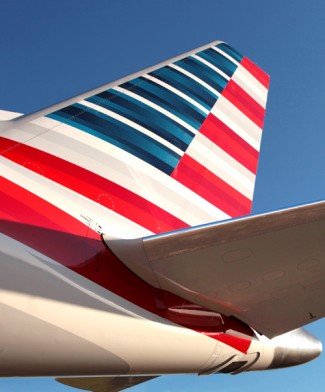
Photo by Lukas Souza on Unsplash
Crew Resource Management (CRM) is a major factor in the increased safety of modern commercial aircraft. CRM, which was first created by the airline industry in the late 1970s and officially implemented by large airlines in the early 1980s, places a strong emphasis on leadership, cooperation, communication, and smart decision-making in order to lower human error and increase flight safety.
Fundamentally, CRM acknowledges that mistakes can be made by even the most experienced pilots. CRM teaches flight crews to make the best decisions during every stage of flight by utilizing all available resources, including other pilots, flight attendants, dispatchers, maintenance staff, air traffic controllers, and onboard technology, rather than depending only on technical flying ability.
Successful CRM is built on effective communication. First officers and captains are urged to speak honestly, politely criticize dubious decisions, and confirm important information. This cooperative approach guarantees that possible issues are found before they become significant safety risks and helps avoid misunderstandings.
CRM also emphasizes situational awareness and workload management. Pilots must prioritize activities, assign responsibilities, and keep a clear awareness of the aircraft's status and surroundings during times of high workload, such as departures, arrivals, or unusual circumstances. These abilities can mean the difference between an incident that could have been avoided and a normal flight.
The CRM training of today goes beyond the flight deck. Dispatchers and other operational staff are included in the decision-making process, and cabin crews get CRM training to enhance collaboration during emergencies. Multiple levels of safety are created throughout an airline's business by this team-oriented strategy.
CRM is a professional mindset for commercial pilots, not just another topic on a regular training curriculum. Every trip has new challenges, and understanding the aircraft itself is not as crucial as being able to communicate clearly, manage resources sensibly, and collaborate as a team. Strong CRM abilities contribute to ensuring that every flight is carried out with the utmost professionalism and safety.
-

PSA Airlines 07/28/2026
-
Baker Aviation 06/18/2026
-
Envoy Air 06/18/2026
-

Cape Air 06/18/2026
-

Horizon Air 06/12/2026
